
Innovation in design real estate is accelerating as we approach 2025, transforming how spaces are envisioned and built. Buyers and sellers now seek environments that are not only visually stunning but also adaptable and ready for the future.
This article uncovers seven inspiring ways to design real estate that stands out next year. From sustainable materials and smart technology to flexible layouts, biophilic elements, wellness-focused features, vibrant community spaces, and immersive digital experiences, each approach is practical and trend-forward.
Discover how these strategies can boost property value and create lasting appeal in an ever-evolving market.
The Evolution of Real Estate Design: Trends Shaping 2025
In the last decade, the way we design real estate has undergone a remarkable transformation. The sector has shifted from traditional aesthetics to a holistic approach that blends sustainability, technology, and lifestyle. This evolution is not just about visual appeal, but about creating spaces that respond to the needs of modern living. As we approach 2025, the pace of change in design real estate is only accelerating, driven by new priorities and possibilities.
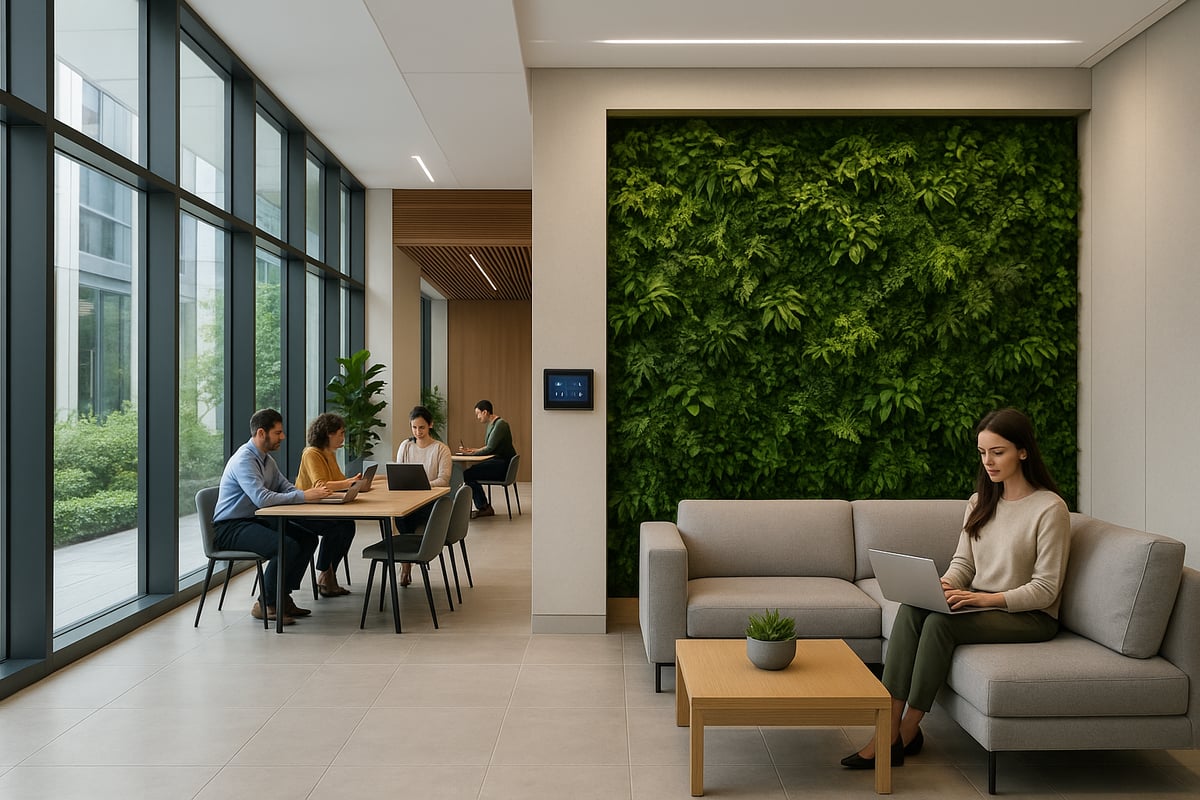
Technology has become the backbone of contemporary design real estate. Smart home systems, from app-controlled lighting to AI-driven energy management, are now standard expectations for buyers and tenants. According to a 2024 Zillow report, 81% of buyers consider smart features essential in their next purchase. At the same time, sustainability has moved from a niche interest to a mainstream demand. More than 68% of buyers now prefer eco-conscious homes, as highlighted in Sustainable and Eco-Friendly Designs. Solar panels, green roofs, and energy-efficient insulation are not just add-ons, but core components in the design real estate toolkit.
Changing buyer expectations are also reshaping the market. Millennials and Gen Z are entering their prime home-buying years, bringing fresh perspectives. They value flexible layouts, wellness amenities, and seamless tech integration. This demographic shift is influencing how developers and agents approach design real estate, ensuring that properties align with evolving lifestyles and values.
Remote work and hybrid lifestyles have permanently altered the functions of home and commercial spaces. Where once a living room sufficed, now dedicated home offices, fitness zones, and adaptable rooms are in high demand. The design real estate landscape now prioritizes versatility, enabling residents to transition between work, relaxation, and social activities effortlessly. This flexibility is a critical differentiator for properties aiming to attract modern buyers.
Globally and locally, standout projects illustrate these advances. In Toronto, innovative condos in Leslieville showcase biophilic features, smart tech, and modular layouts. Internationally, developments in cities like Copenhagen and Singapore lead the way in integrating green spaces, communal amenities, and digital experiences. These examples set a benchmark for design real estate, inspiring other projects to follow suit and push boundaries.
Staying ahead of these trends is vital for everyone involved in design real estate. Property owners, developers, and agents who anticipate and implement these changes will not only meet the needs of tomorrow’s buyers but also maximize property value and long-term appeal.
7 Inspiring Ways to Design Real Estate Spaces in 2025
The world of design real estate is rapidly evolving, and 2025 is set to redefine how we experience our homes and workspaces. Innovative approaches are transforming properties into vibrant, future-ready environments. Whether you are a buyer, seller, or developer, understanding these seven trends will help you craft spaces that captivate, perform, and hold long-term value.
1. Sustainable Materials and Eco-Friendly Construction
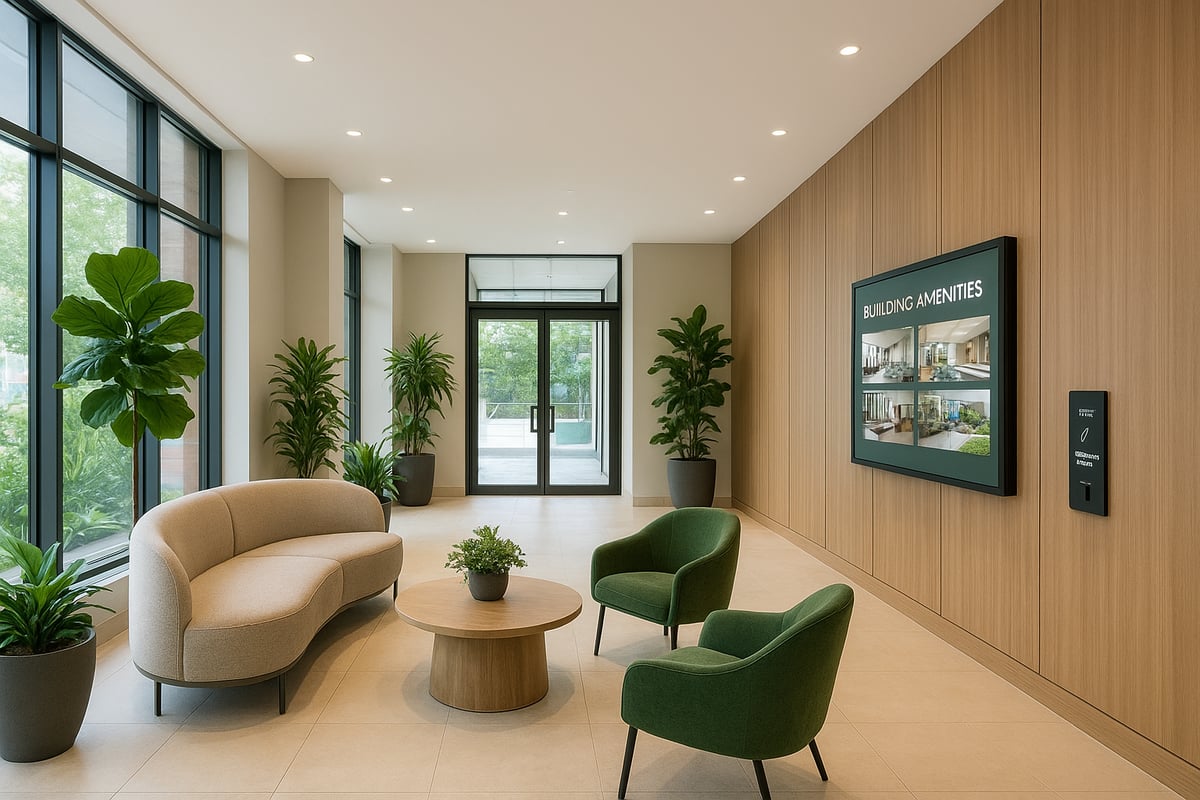
Sustainability is at the heart of modern design real estate. In 2025, the use of recycled, renewable, and low-impact building materials defines top-tier developments. Builders are prioritizing bamboo flooring, reclaimed wood, and recycled steel to minimize environmental footprints.
Energy efficiency is another pillar. Solar panels are now integrated into rooftops, while high-performance insulation keeps interiors comfortable year-round. Water-saving fixtures and smart irrigation systems are standard, reducing utility costs and environmental impact.
Certifications like LEED and WELL are not just badges of honor; they are powerful value drivers. Properties with these credentials attract discerning buyers who appreciate the assurance of healthy, sustainable living. For example, Toronto’s newest condos are embracing green roofs, which help manage stormwater and provide residents with tranquil outdoor retreats.
Recent data underscores this shift. According to the National Association of Realtors (NAR) 2024 report, 68% of buyers now prefer eco-conscious homes. This preference is shaping how professionals design real estate, turning sustainability into a marketing advantage.
Embracing eco-friendly construction is more than ethical; it’s a strategic move. Sustainable features differentiate properties in a crowded market, enhance resale value, and deliver lasting benefits for both residents and the planet.
2. Smart Technology Integration
Technology is revolutionizing design real estate by making spaces more convenient, efficient, and secure. In 2025, home automation is an expectation rather than a luxury. Lighting, security, HVAC, and appliances are seamlessly controlled through voice commands or smartphone apps.
AI-powered predictive maintenance is gaining traction. These systems monitor building health, alerting owners to potential issues before they escalate. Energy management tools optimize consumption, slashing costs while reducing carbon footprints.
Reliable high-speed internet is now a must-have in design real estate. Smart condos in Leslieville, for instance, feature integrated building apps that allow residents to book amenities, receive package notifications, and communicate with management—all from their phones.
The numbers tell a compelling story. Zillow’s 2024 survey found that 81% of buyers consider smart features important when they evaluate properties. This demand is shaping how developers design real estate, drawing tech-savvy buyers and renters.
Smart technology enhances daily living and adds a layer of future-proofing. By integrating cutting-edge systems, property owners can increase appeal, efficiency, and long-term value.
3. Flexible & Multi-Functional Layouts
Adaptability is central to how professionals design real estate for modern lifestyles. Open-concept spaces that can morph from living room to workspace to entertainment area are in high demand. The rise of remote work and hybrid schedules has made flexibility a top priority.
Movable walls, convertible furniture, and modular designs are at the forefront. These elements allow residents to customize their environment based on shifting needs. Toronto lofts with sliding partitions, for example, offer privacy for video calls or quiet study, then open up for social gatherings.
Dedicated niche rooms are trending. Home offices, fitness studios, and hobby spaces let individuals tailor their homes to their passions and routines. The Urban Land Institute reports that demand for flexible spaces has surged by 40% since 2020.
When you design real estate with multi-functionality in mind, you create properties that can evolve with occupants’ lives. This flexibility is a powerful selling point and ensures your investment remains relevant as needs change.
Future-proof design real estate strategies don’t just respond to trends—they anticipate them. By prioritizing adaptability, you maximize both utility and value.
4. Biophilic Design and Nature Integration
Biophilic design is reshaping how we connect with indoor spaces. By weaving natural elements into the fabric of buildings, developers are creating environments that nurture well-being and productivity. In design real estate, maximizing natural light and airflow is now a baseline expectation.
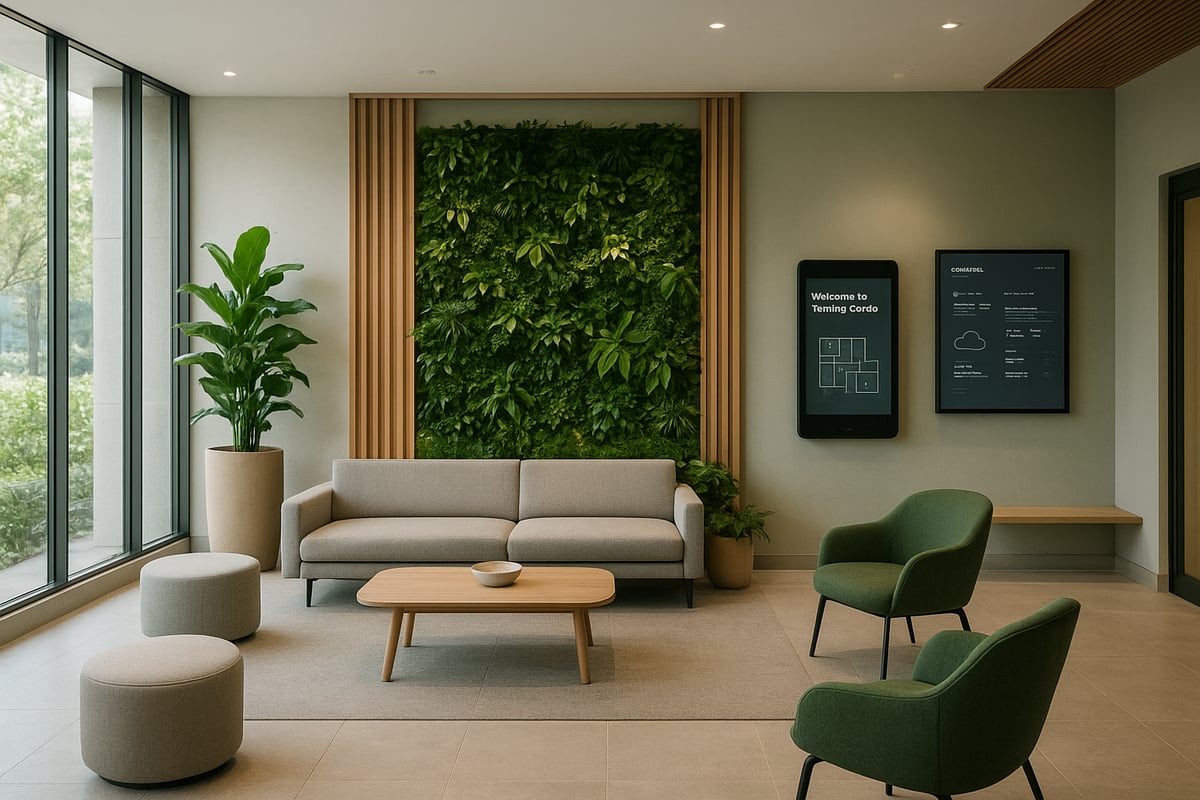
Indoor gardens, living walls, and rooftop terraces bring the outdoors inside, offering residents daily contact with greenery. Organic materials and earthy palettes create soothing atmospheres. Downtown Toronto condos with central atriums filled with plants illustrate how nature can be seamlessly integrated.
The benefits are well-documented. A 2023 Harvard study linked biophilic features to higher occupant well-being and productivity. For a deeper dive, explore these Biophilic Design Trends that are shaping architecture in 2025.
When you design real estate with biophilic principles, you not only boost property value but also enhance satisfaction for everyone who lives or works there. Nature-inspired design is more than a trend; it’s a proven strategy for healthier, happier spaces.
5. Wellness-Centric Features
Health and wellness have become non-negotiable in design real estate. In 2025, touchless entry systems, advanced air and water purification, and circadian lighting are standard features in high-end developments. These innovations minimize exposure to germs and create clean, comfortable environments.
Wellness rooms are on the rise. Meditation spaces, yoga studios, and spa-like bathrooms help residents recharge and manage stress. Enhanced soundproofing supports restful sleep and focused work, addressing the challenges of urban living.
Developments across Toronto now boast on-site fitness centers, yoga decks, and wellness amenities that set them apart. According to NAR’s 2024 data, 59% of buyers prioritize wellness features when selecting a property.
By emphasizing wellness in design real estate, owners can attract health-conscious buyers and renters. This focus is a top differentiator, ensuring properties remain desirable in a competitive landscape.
Investing in wellness-centric features is not just a trend—it’s a commitment to better living and long-term value.
6. Community-Oriented and Social Spaces
Fostering connection is a key principle in design real estate today. Shared amenities like co-working lounges, rooftop BBQs, and pet-friendly areas create opportunities for residents to interact while maintaining their privacy.
Outdoor communal gardens and event spaces encourage social gatherings and foster a sense of belonging. Toronto’s East End developments are leading the way with integrated community programming, from group fitness classes to art workshops.
According to Trulia’s 2024 study, 74% of Millennial buyers actively seek community features when choosing a home. This shift is reshaping how professionals design real estate, ensuring spaces support both independence and interaction.
Community-centric design real estate strategies not only enhance quality of life but also foster loyalty among residents. Properties that prioritize connection command higher long-term value and lower turnover.
Designing for community is about more than shared spaces—it’s about building places people are proud to call home.
7. Immersive Digital Experiences & Virtual Staging
The digital revolution is transforming how we design real estate and market properties. AR and VR tools allow buyers to tour spaces virtually, visualizing layouts and finishes before a single wall is built. Virtual staging lets sellers showcase a property’s potential, attracting more interest and faster offers.
Interactive kiosks and building management apps provide residents with real-time updates, amenity booking, and seamless communication. Developers in Toronto are leveraging VR to pre-sell new builds, giving buyers confidence in their investment.
Redfin’s 2023 data shows that virtual staging can lead to sales that are 20% faster than traditional marketing methods. These digital experiences set listings apart in a crowded market.
When you design real estate with immersive technology in mind, you empower clients with greater insight and flexibility. This approach appeals to digital-native generations and streamlines the path from tour to closing.
Digital innovations are not just convenient—they are rapidly becoming essential in the real estate design landscape.
Case Studies: Real Estate Spaces Transforming Toronto in 2025
Toronto is at the forefront of innovation when it comes to design real estate. As we move into 2025, the city showcases how future-ready spaces can blend beauty, function, and sustainability. Let’s explore three standout projects redefining the local market.
Leslieville: Where Design Real Estate Meets Smart Living
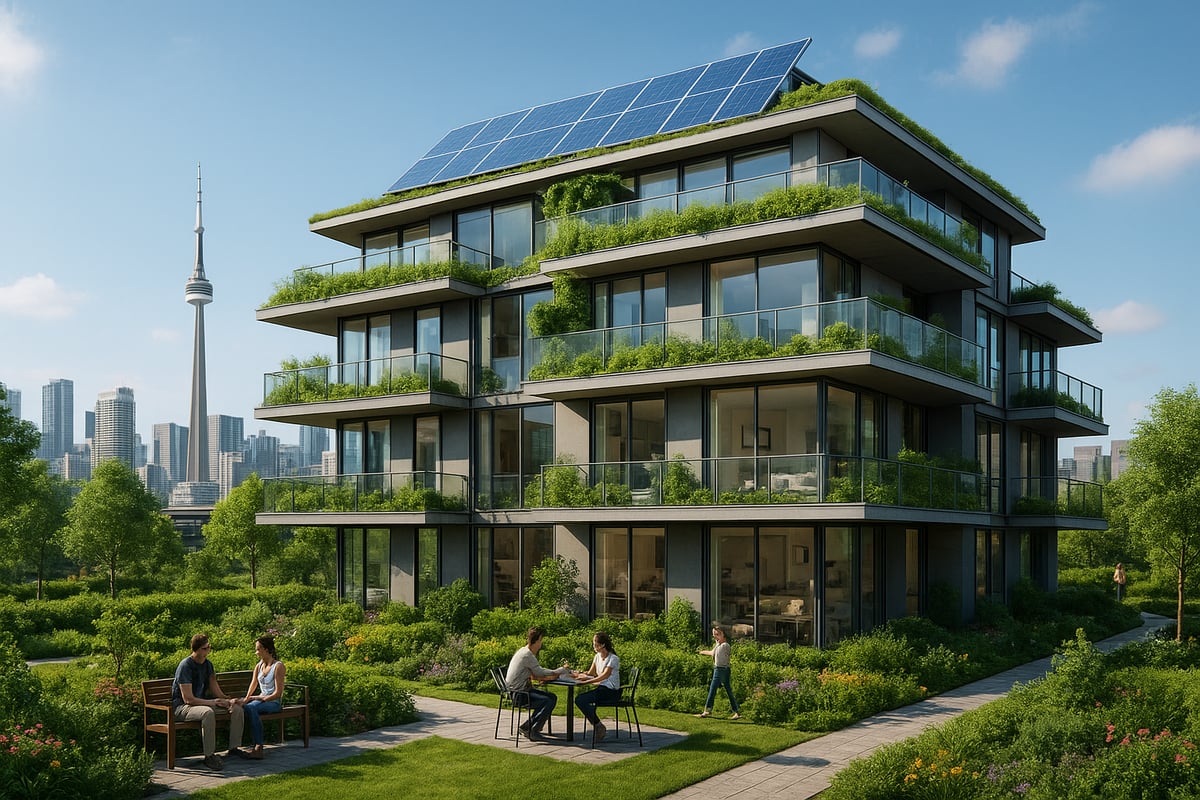
In Leslieville, a boutique condo development is setting the benchmark for design real estate. The project leverages biophilic design with a dramatic atrium garden, abundant natural light, and organic materials throughout common areas. Residents benefit from smart home automation, including app-controlled climate, lighting, and security.
Flexible layouts are a core feature, with movable walls allowing units to transform from open-concept living to private workspaces. The building’s green roof and solar panels contribute to LEED Gold certification, appealing to buyers seeking eco-friendly lifestyles.
According to local realtors, units here have sold 18 percent faster and at a 12 percent premium compared to nearby properties. This success highlights the power of combining thoughtful design real estate with advanced technology.
Downtown: Biophilia and Technology in Vertical Communities
A new downtown high-rise exemplifies how design real estate can merge nature and technology. The tower features living walls in lobbies, sustainable timber accents, and expansive terraces for urban gardening. Residents enjoy high-speed fiber internet, voice-activated elevators, and AI-driven building management.
Wellness is prioritized with touchless entry, air purification systems, and soundproof meditation rooms. The community amenities include co-working lounges and rooftop BBQs, fostering both social connection and privacy.
Feedback from homeowners reveals increased satisfaction and a sense of well-being, aligning with data that shows trend-forward design real estate commands higher per-square-foot prices. This project has become a blueprint for vertical living in Toronto.
Midtown: Flexible Family Spaces for the Future
In Midtown, a family-oriented development demonstrates how design real estate can adapt to changing needs. Units offer convertible rooms for home offices, fitness, or guest use, supported by modular furniture and sliding partitions.
The complex integrates sustainable materials, smart irrigation for gardens, and communal play areas. Resident surveys indicate strong appreciation for spaces that evolve with family dynamics.
Local architects note that this approach to design real estate not only increases long-term value but also inspires similar projects citywide.
Toronto’s most forward-thinking developments prove that innovative design real estate delivers tangible benefits. These case studies show how blending sustainability, technology, and flexibility is setting new standards for urban living.
How to Apply These Design Strategies: Actionable Tips for Buyers, Sellers, and Developers
Adopting the latest design real estate trends is essential for maximizing the value and appeal of any property. Whether you are a buyer, seller, or developer, understanding how to apply these strategies can make all the difference in a competitive market.
Getting Started: Assess and Prioritize
Begin by evaluating your property's strengths and identifying which design real estate trends align with your goals. Conduct a walkthrough and note areas where sustainable materials or tech upgrades could add the most value. For buyers, focus on properties that already incorporate these features or offer potential for easy upgrades. Sellers should highlight existing sustainable and wellness elements in their listings. Developers ought to prioritize eco-friendly construction and flexible layouts from the planning stage.
Step-by-Step Guide
- Set Clear Objectives: Define what you want to achieve with your design real estate project. Is your goal to boost resale value, improve occupant wellness, or appeal to a tech-savvy demographic?
- Research Trends and Local Demand: Use market reports and buyer surveys to understand which features are most sought after in your area.
- Plan Your Budget: Allocate resources for high-impact changes such as solar panels, smart home systems, or wellness amenities. Track expected ROI for each upgrade.
- Select Quality Materials and Partners: Choose certified sustainable materials and work with reputable tech providers. Engage architects and designers with a proven track record in 2025 design real estate trends.
- Implement Flexibility: Integrate movable walls, modular furniture, and multipurpose rooms to future-proof your space.
Budgeting and Partner Selection
Budgeting is crucial. Create a table comparing estimated costs and ROI for top upgrades:
| Feature | Estimated Cost | Potential ROI (%) |
|---|---|---|
| Solar Panels | $10,000 | 12 |
| Smart Home System | $5,000 | 9 |
| Wellness Amenities | $7,500 | 10 |
| Flexible Layouts | $4,000 | 8 |
Select partners who understand the local market and have experience with advanced design real estate projects. Request references and portfolio samples before committing.
Staging, Marketing, and Resources
Staging is vital for sellers and agents. Use virtual staging tools to showcase how a property can be optimized with biophilic design or smart technologies. Highlight features like purified air systems, touchless entry, and community spaces in marketing materials.
Here is a checklist for buyers and sellers:
- Assess existing sustainable or tech features
- Identify quick-win upgrades
- Highlight wellness and community amenities in listings
- Use virtual tours for immersive presentations
For further inspiration, explore resources like Toronto Society of Architects for local expertise and supplier directories.
By following these steps, anyone can leverage design real estate strategies to create beautiful, functional, and future-ready spaces that stand out in 2025.
As you explore these seven forward thinking design strategies for 2025, you’ll see just how much potential there is to create spaces that truly reflect your lifestyle and add long term value. Whether you’re dreaming of a home that’s eco friendly, tech savvy, or rich with community features, the right approach can turn opportunity into reality. I’ve helped buyers and sellers across Toronto’s East End make smart moves by blending design insight with local expertise. Ready to discuss your next step or curious about how these trends fit your goals? Let’s Talk Neighbourhoods, Floorplans, and What Comes Next