
The world of real estate is evolving at a pace never seen before. As 2025 approaches, innovative design for real estate is poised to become the most critical factor for those seeking a true competitive advantage.
This expert guide will show you how to harness new strategies and emerging trends, from cutting-edge technology to user-centric approaches and sustainability. Discover how shifts in buyer demographics, the rise of PropTech, and changing consumer expectations are redefining what success looks like in real estate.
Get ready to unlock actionable insights, data-driven strategies, and real-world examples that will empower agents and developers alike. Let’s explore how you can leverage expert-backed design for real estate principles to stay ahead in a rapidly changing market.
The New Landscape: Real Estate Design Trends for 2025
The landscape of design for real estate is undergoing rapid transformation as we approach 2025. New technologies, changing demographics, and evolving buyer expectations are redefining what it means to create value in the property sector. According to Emerging Real Estate Trends 2025, industry leaders are preparing for a year marked by innovation and competition. In this section, we explore the five key trends shaping design for real estate in the coming year.
Rise of PropTech and Digital Platforms
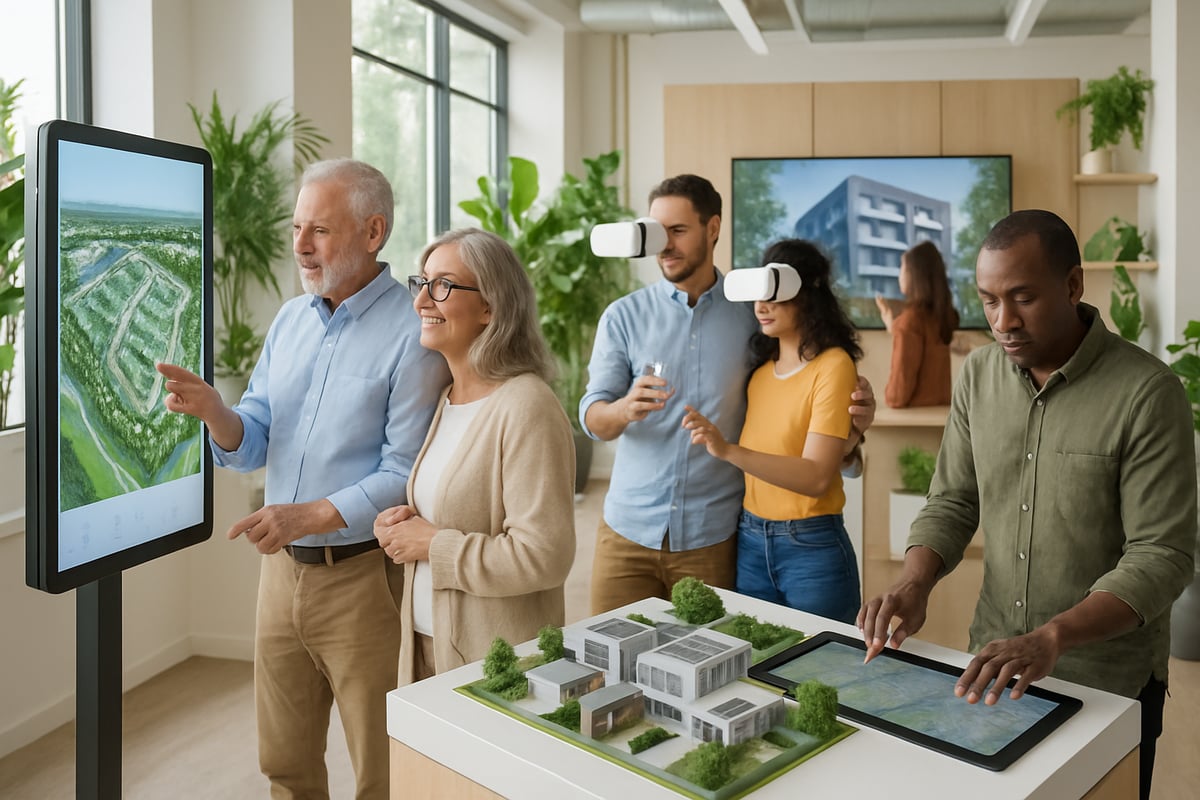
PropTech adoption is accelerating across the industry. Despite this momentum, over 60 percent of real estate firms still rely on legacy systems, creating a gap between traditional and modern operations. Digital-first experiences are quickly becoming the standard for buyers and sellers, who expect seamless online interactions as a core part of design for real estate.
Key innovations include:
- Virtual tours that enable remote property walkthroughs
- AI-driven property recommendations tailored to user preferences
- Online transaction platforms that streamline the buying process
For example, post-pandemic trends show a sharp increase in online apartment searches and virtual open houses. These digital advancements are not just conveniences; they are now essential elements of design for real estate, allowing firms to compete effectively in a crowded market.
Shifting Buyer Demographics
The demographic landscape is changing, with millennials now making up the majority of homebuyers. This group prioritizes digital convenience and homes that reflect modern design for real estate principles. Meanwhile, older agents and buyers require accessible, intuitive interfaces, often referred to as “grandma mode” in industry circles.
Data from NAR in 2024 reveals:
- The average REALTOR® is 60 years old
- Millennial buyers demand robust digital tools and easy-to-use platforms
Successful design for real estate must bridge these generational differences by offering both advanced features for younger buyers and simplified navigation for older users. This dual approach ensures broader market appeal and higher adoption rates.
Emphasis on Health, Wellness & Flexibility
Health and wellness have become central to design for real estate, especially since the pandemic. Buyers are seeking homes with biophilic design, adaptable spaces, and dedicated home offices. Air quality, natural light, and flexible layouts now top the list of desirable features.
Recent developments prioritize:
- Wellness amenities such as fitness centers and outdoor areas
- Spaces that can transform from work to leisure effortlessly
- Enhanced ventilation and access to nature
This shift in design for real estate reflects a deeper understanding of buyer needs, making wellness and flexibility critical selling points for new properties.
Sustainability and Green Design
Sustainability is now a driving force in design for real estate. The demand for energy-efficient materials, smart home technology, and green certifications is at an all-time high. Many buyers are willing to pay a premium for sustainable features that lower environmental impact and utility costs.
Key trends include:
- Use of recycled and low-impact building materials
- Integration of smart thermostats and energy management systems
- Developments aiming for LEED or similar green certifications
LEED-certified developments, for instance, are rapidly gaining market share. Incorporating sustainability into design for real estate not only meets buyer expectations but also positions properties for long-term success.
Data-Driven & Personalized Experiences
The use of big data and artificial intelligence is transforming design for real estate by enabling highly personalized user experiences. Platforms now analyze buyer behaviors to recommend properties, optimize marketing, and forecast pricing trends.
Examples of data-driven design for real estate:
- AI-powered platforms matching buyers with ideal homes
- Predictive analytics for investment and pricing strategies
- Dynamic marketing campaigns based on real-time data
These personalized experiences set new standards in the industry, helping firms stand out and deliver measurable value to clients.
Step-by-Step Guide: Designing for Real Estate Success in 2025
Design for real estate in 2025 requires a systematic, user-focused approach that adapts to new technologies, shifting demographics, and evolving client expectations. This guide walks you through each critical step to ensure your projects stand out and deliver real value.
Step 1: Research & Empathize with Target Users
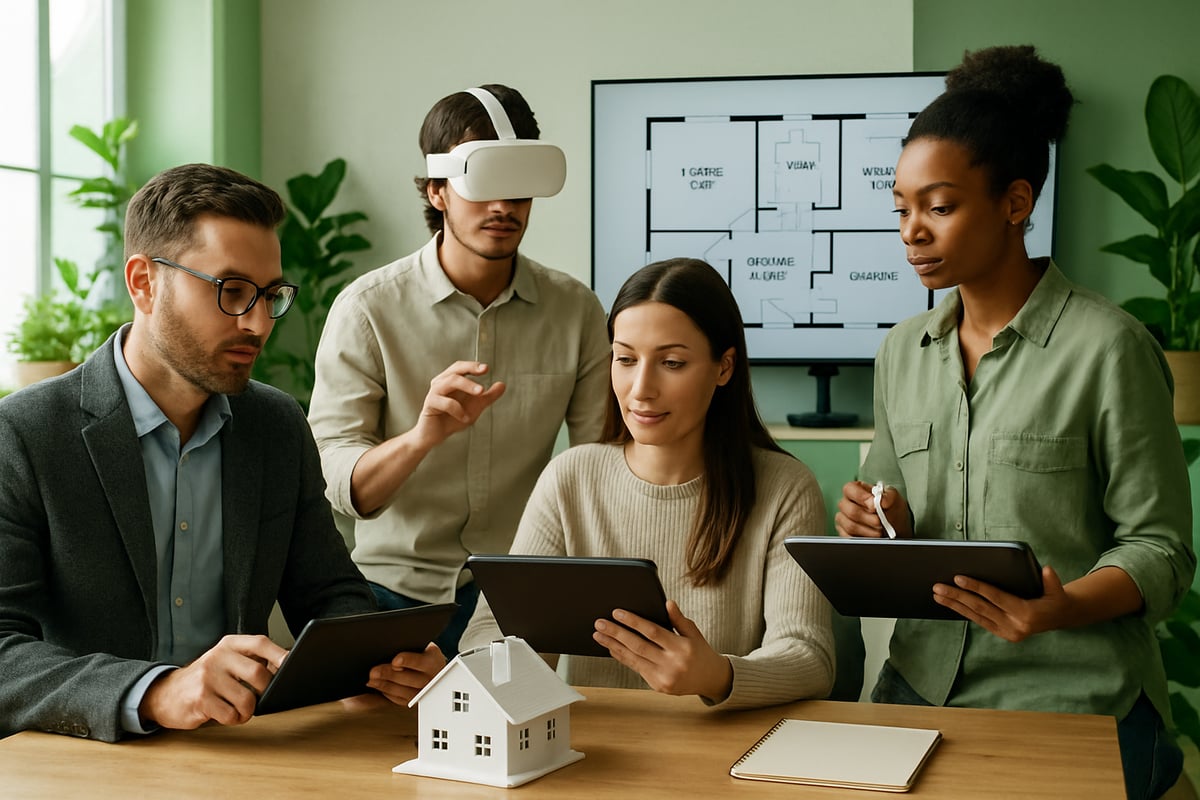
The foundation of successful design for real estate is a deep understanding of your users. Begin by conducting comprehensive user research. Interview buyers, sellers, and agents to uncover their unique pain points and preferences.
Segment your audience by generation. Millennials often expect seamless, tech-driven experiences, while older buyers and agents may prioritize clarity and simplicity. Empathy mapping can help visualize user needs and frustrations, revealing opportunities for better design for real estate solutions.
For example, user testing may reveal that older clients struggle with small fonts or complex navigation. Adjusting your platform with larger text and simplified menus can dramatically improve accessibility. This attention to detail ensures your design for real estate is inclusive and meets the needs of every demographic.
- Conduct user interviews and surveys
- Build empathy maps for key personas
- Test early concepts with real users
Step 2: Define Problems & Set Clear Objectives
Once you understand your users, clearly define the core challenges within your design for real estate project. Common issues include accessibility barriers, rapid technology changes, and the need for hybrid workspaces.
Gather stakeholders to document and prioritize these pain points. This collaborative process aligns everyone on what matters most. Set measurable objectives, such as reducing website bounce rates or increasing engagement with virtual tours, to track progress and guide decisions.
Use a table like the one below to organize and prioritize issues:
| Problem | Priority | Metric for Success |
|---|---|---|
| Accessibility | High | WCAG compliance score |
| Virtual tour engagement | Medium | % increase in usage |
| Hybrid workspace integration | Low | User satisfaction survey |
With clear goals, your team can focus on solutions that drive real business value and elevate your design for real estate projects.
Step 3: Ideate Innovative Solutions
With objectives in place, brainstorm creative features and approaches. Encourage cross-functional teams to suggest ideas that push the boundaries of design for real estate, such as virtual staging, AR walkthroughs, or AI chatbots for instant support.
Prioritize concepts based on technical feasibility and market demand. For instance, implementing augmented reality for remote property visualization can set your listings apart. Ground your ideation in expert-backed trends; resources like Top Home Design Trends 2025 provide valuable insights into what buyers will expect.
List innovative features to consider:
- Virtual and augmented reality experiences
- Personalized dashboards
- AI-powered property recommendations
- Wellness and sustainability integrations
Transform these concepts into actionable plans to enhance your design for real estate outcomes.
Step 4: Prototype & Test Rapidly
Next, bring your ideas to life through prototyping. Start with low-fidelity wireframes to quickly validate design for real estate features before full development. Use usability testing to gather feedback from real users, ensuring your solutions address their needs.
Iterate based on this feedback, refining layouts, navigation, and interactive elements. A/B testing is especially valuable for optimizing calls-to-action, page layouts, and content placement. This data-driven approach minimizes risk and maximizes user satisfaction.
For instance, if analytics show users abandon a form midway, simplify the process and retest. Rapid prototyping and systematic testing are essential for success in design for real estate, ensuring your platform evolves with user expectations.
Step 5: Implement with Scalability & Accessibility in Mind
As you transition from prototype to launch, select technologies that support long-term growth. Your design for real estate should be built on scalable platforms that accommodate future features and increased traffic.
Accessibility is non-negotiable. Ensure your solution meets WCAG standards, with features like keyboard navigation, high-contrast modes, and scalable fonts. Mobile-first design is critical, as most buyers and agents now use smartphones and tablets to access listings and complete transactions.
Consider the following checklist for implementation:
- Choose a future-proof tech stack
- Test for accessibility on all devices
- Optimize for mobile speed and responsiveness
These steps guarantee your design for real estate remains competitive and inclusive as the market evolves.
Step 6: Measure, Analyze & Iterate
After launch, continuously monitor performance using key metrics. Track conversion rates, user satisfaction, and retention to evaluate the impact of your design for real estate. Analytics tools can reveal friction points, such as high drop-off rates in onboarding or underused features.
Establish feedback loops through in-app surveys and direct user outreach. Use these insights to drive ongoing improvements, ensuring your design for real estate adapts to shifting trends and user needs.
Set a schedule for regular reviews and updates. Continuous iteration is the hallmark of a resilient, future-ready design for real estate platform.
Technology Integration: Tools & Platforms Shaping Real Estate Design
In 2025, technology is not just an add-on, it is the driving force behind design for real estate. The integration of advanced platforms and tools is transforming how properties are marketed, bought, and experienced. From immersive virtual tours to AI-powered personalization, technology is redefining every stage of the real estate journey. For a deeper look at the trends shaping the industry, explore Real Estate Industry Changes 2025.
Virtual & Augmented Reality Solutions
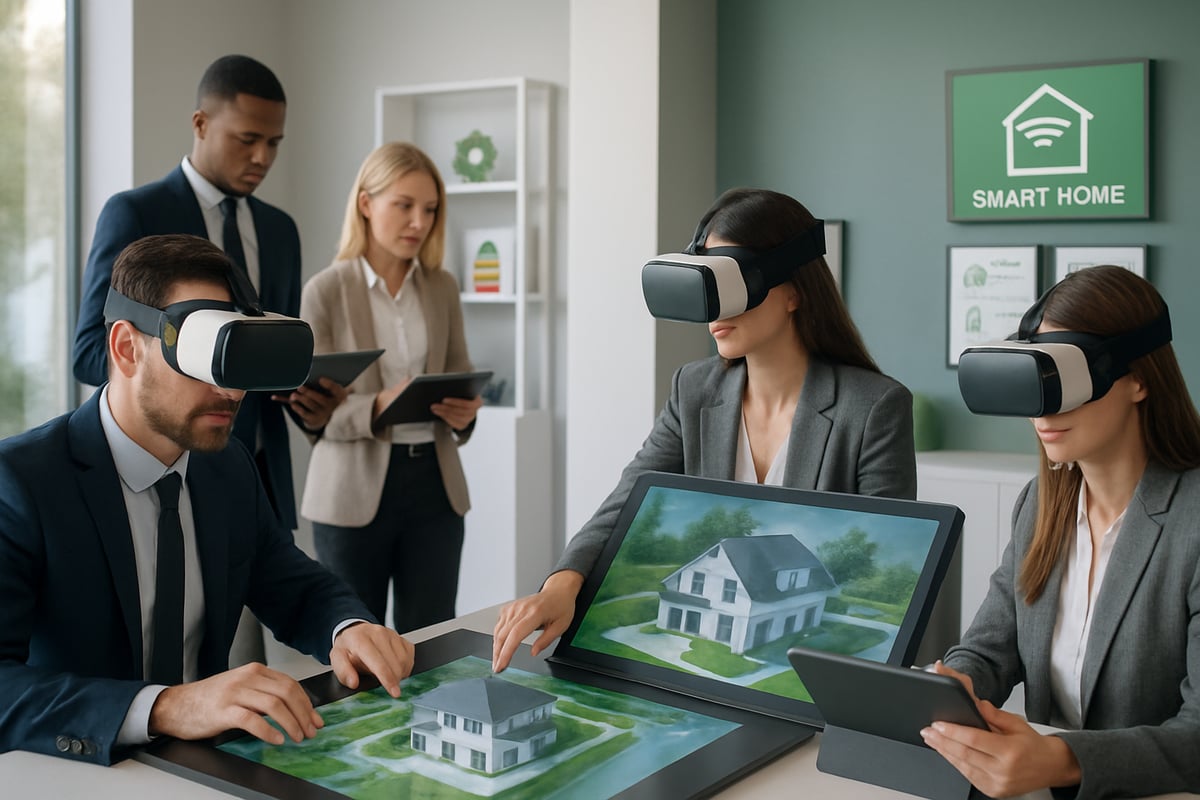
Virtual and augmented reality are revolutionizing design for real estate by making property exploration more interactive and accessible. Virtual tours allow buyers to explore homes from anywhere, eliminating the need for physical visits early in the process.
- 3D walkthroughs give a true sense of space and layout.
- AR staging lets users visualize furniture and finishes in real time.
- Remote buyers can make confident decisions faster.
This shift supports both agents and clients, as the technology enhances engagement and reduces time on market. Integrating these solutions into design for real estate positions developers and agents ahead of the curve.
AI and Big Data Analytics
Artificial intelligence and big data are powering the next wave of design for real estate. AI-driven platforms analyze user behavior and preferences, generating personalized property recommendations that match buyers with their ideal homes.
- Dynamic pricing tools respond to market trends instantly.
- Chatbots provide 24/7 support, answering common questions.
- Predictive analytics help forecast demand and investment opportunities.
By leveraging these technologies, real estate professionals can offer a tailored experience that maximizes satisfaction and efficiency. This approach to design for real estate is both data-driven and user-focused.
Smart Home Technology
Smart home technology is now a central element in design for real estate. Buyers expect properties to feature integrated systems that enhance security, convenience, and sustainability.
- IoT devices control lighting, temperature, and appliances.
- Smart thermostats and security systems add value to listings.
- Energy management tools help reduce costs and environmental impact.
Developers who prioritize these features in design for real estate not only attract tech-savvy buyers but also future-proof their properties for evolving demands.
Cloud-Based Collaboration Tools
Cloud-based platforms are streamlining communication and workflow in design for real estate. These tools enable agents, buyers, and service providers to work together seamlessly, regardless of location.
- Real-time document sharing reduces delays in transactions.
- E-signature solutions speed up closing processes.
- Centralized project management ensures everyone stays aligned.
Adopting cloud-based collaboration elevates the design for real estate, making processes more efficient and client-friendly.
Accessibility and Inclusivity Tech
Accessibility and inclusivity are essential in modern design for real estate. Technology plays a key role in ensuring platforms and properties are user-friendly for all demographics.
- Voice navigation and screen readers support visually impaired users.
- Multi-language features open markets to diverse buyers.
- Adjustable interfaces cater to both tech-savvy and traditional users.
By integrating these tools, design for real estate becomes more inclusive, broadening reach and enhancing the overall user experience.
User-Centric Design: Accessibility, Inclusivity & Experience
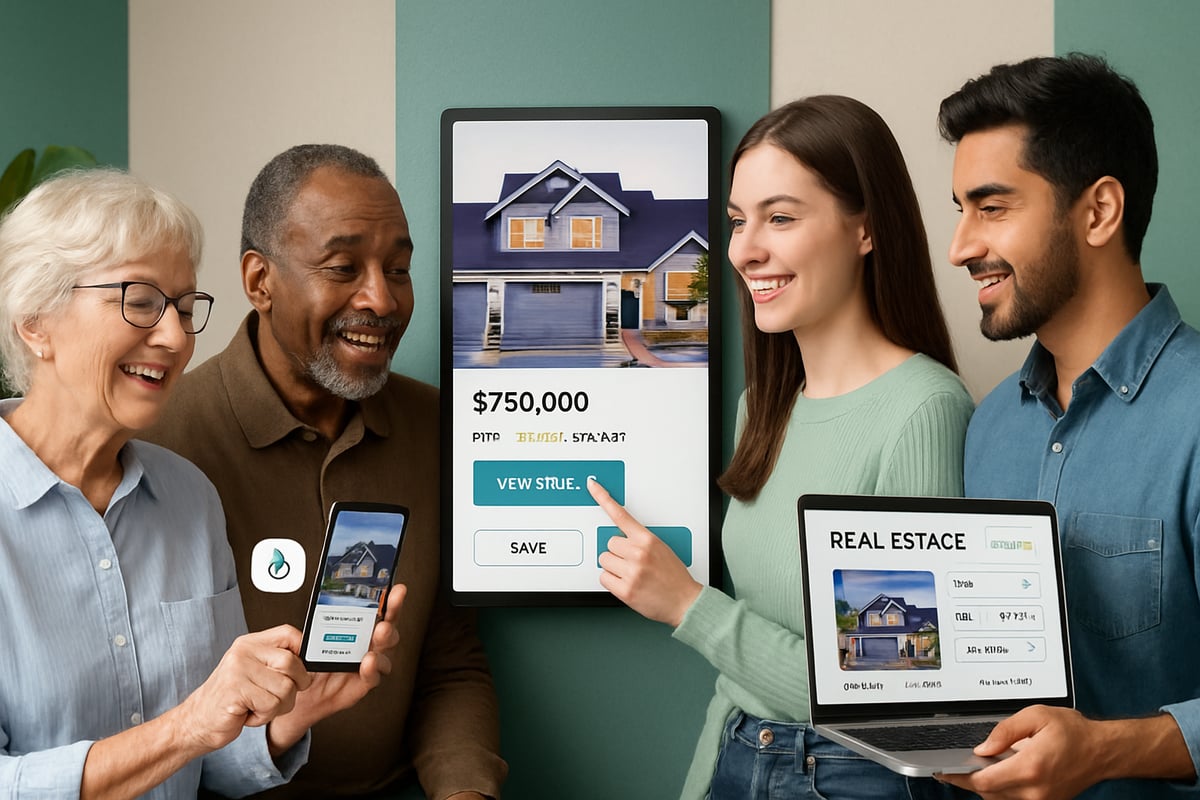
User-centric design for real estate is quickly becoming the benchmark for industry leaders. In 2025, seamless experiences are not just a differentiator, they are an expectation. Buyers, sellers, and agents now demand intuitive, accessible platforms that cater to a wide range of needs. By focusing on inclusivity and usability, organizations can unlock new market segments and drive engagement.
Designing for Diverse Demographics
Modern design for real estate must accommodate both digital natives and older users. Millennials expect visually engaging, interactive tools, while older buyers and agents prioritize simplicity and clarity. Features such as "grandma mode"—offering larger fonts and streamlined layouts—are increasingly popular.
By referencing resources like the Global Design Outlook 2025, teams can better anticipate the evolving needs of diverse audiences. Inclusive design for real estate is not just a trend, it is a necessity for broad market reach.
- Simplified navigation menus
- Adjustable text sizes
- Clear, high-contrast visuals
Intuitive Navigation & Onboarding
A seamless onboarding process is essential in design for real estate. Guided tours, contextual tooltips, and clear instructions minimize the learning curve for users of all ages. Intuitive navigation helps users focus on their goals, not on figuring out the platform.
Data consistently shows that reducing onboarding friction increases both retention and satisfaction. By making first-time experiences positive, companies set the stage for long-term engagement.
- Step-by-step tutorials
- Visual cues to guide actions
- Personalized welcome messages
Accessibility Best Practices
True accessibility in design for real estate means adhering to WCAG guidelines. Implementing suitable color contrast, scalable fonts, and keyboard navigation supports users with visual or motor impairments. Features such as high-contrast modes and screen reader compatibility ensure that no user is left behind.
Accessible design for real estate not only meets legal requirements, it also builds brand loyalty by demonstrating a commitment to all clients.
- Color-blind friendly palettes
- Responsive font scaling
- Keyboard-friendly interfaces
Personalization & Engagement
Personalization is at the forefront of design for real estate innovation. Dynamic content, such as property suggestions and custom dashboards, keeps users engaged and returning. By leveraging user data, platforms can tailor experiences to individual preferences, increasing the likelihood of conversions.
Engagement tools like saved search alerts and interactive dashboards further enhance the user journey. The result is a solution that feels bespoke, not generic.
- AI-driven property matches
- Customizable dashboards
- Real-time notifications
Feedback Loops & Continuous Improvement
Ongoing improvement is a hallmark of effective design for real estate. Collecting feedback through in-app surveys and Net Promoter Score (NPS) tracking identifies pain points and opportunities for enhancement.
Continuous iteration ensures the platform evolves with user needs, leading to higher satisfaction and loyalty. Organizations that prioritize feedback-driven updates set themselves apart in a crowded market.
- Post-launch user surveys
- Regular usability tests
- Transparent update logs
Sustainability and Wellness: The Future of Real Estate Design
As we look toward the future, sustainability and wellness have become central to design for real estate. Buyers and developers now prioritize eco-friendly features and healthy living spaces. The demand for transparency, efficiency, and wellness-driven amenities is reshaping how properties are built, marketed, and valued.
Green Building Materials & Certifications
Green building is no longer optional in design for real estate. Developers are increasingly using recycled materials, high-efficiency systems, and sustainable landscaping. Certifications such as LEED and WELL signal a property’s environmental commitment.
| Certification | Focus Area | Benefit |
|---|---|---|
| LEED | Energy, materials, water | Lower utility bills, marketability |
| WELL | Air, water, light, comfort | Healthier indoor environments |
Properties with these certifications attract eco-conscious buyers and command premium prices. Sustainable choices also lower long-term costs, making them a win-win for all stakeholders.
Smart Energy Management
Smart energy management is a cornerstone of future-focused design for real estate. Features such as solar panels, smart meters, and energy monitoring tools are quickly becoming standard.
Buyers value homes equipped with systems that optimize energy use and reduce utility bills. Integrated solar and battery storage solutions further boost a property’s resilience and sustainability. As regulations evolve, these features will continue to define market leaders.
Wellness-Centric Amenities
Wellness-centric amenities are now a top priority in design for real estate. Outdoor spaces, fitness centers, and areas with abundant natural light drive buyer interest and satisfaction.
Developments that offer air filtration systems and flexible layouts for home offices see increased demand. According to recent surveys, buyers are willing to pay more for homes with wellness features. This shift reflects a broader focus on health, comfort, and adaptable living environments.
Health & Safety Technologies
Health and safety technologies have transformed expectations around design for real estate. Touchless entry systems, smart HVAC solutions, and antimicrobial surfaces are now sought-after features.
New builds often include touchless elevators and UV air purification, reducing the spread of germs and improving indoor air quality. These innovations not only protect residents but also add value and reassurance for buyers and renters alike.
Environmental Impact Reporting
Transparency is key for today’s buyers, making environmental impact reporting essential in design for real estate. Listings now display carbon footprint data and energy performance scores, helping buyers make informed decisions.
Clear sustainability metrics allow agents and developers to showcase a property’s strengths. This data-driven approach fosters trust and aligns with the values of modern consumers who want accountability in their investments.
Real-World Examples & Case Studies: Design Success Stories
Understanding how top performers apply design for real estate can inspire the next wave of innovation. In this section, we spotlight projects and platforms that set new standards in the industry. Each example demonstrates practical ways to leverage design for real estate success.
Innovative Residential Developments
Forward-thinking residential projects are redefining design for real estate by integrating advanced technologies and sustainable practices. One standout example is a LEED Platinum condominium development in New York. These condos feature smart home systems, energy-efficient appliances, and biophilic elements that enhance wellness.
- Integrated AR walkthroughs allow remote buyers to explore units virtually.
- Smart thermostats and lighting systems optimize energy use.
- Rooftop gardens and green walls improve air quality and aesthetics.
These innovations help developers address the growing demand for sustainability and digital convenience in design for real estate.
Digital-First Real Estate Platforms
Digital-first platforms are revolutionizing how people interact with real estate. A leading example is Zillow, which uses AI to match buyers with properties and provides virtual tours for a seamless experience. These platforms prioritize user-centric design for real estate, making property searching intuitive and accessible.
- AI-driven recommendations based on user preferences.
- Virtual open houses and 3D tours enhance engagement.
- Mobile-first design ensures accessibility across devices.
For more on how technology is transforming user experience, see Zillow’s case studies on digital real estate innovation.
Accessibility-Focused Solutions
Accessibility is a core principle in modern design for real estate, ensuring everyone can participate in the market. Platforms like Homesnap have introduced "grandma mode" interfaces, which simplify navigation for older users and agents.
- Large fonts and high-contrast color schemes boost readability.
- Voice-activated search and screen reader compatibility.
- Streamlined onboarding for users less familiar with technology.
These accessibility enhancements have led to increased adoption and satisfaction among older demographics, showing that inclusive design for real estate drives real results.
Data-Driven Marketing Campaigns
Data analytics play a pivotal role in design for real estate marketing. Agencies now use predictive analytics to optimize listing exposure and target the right buyers. For instance, Redfin employs big data to analyze user behavior and adjust marketing strategies in real time.
- Custom dashboards track listing performance and engagement.
- Automated email campaigns recommend properties to likely buyers.
- A/B testing refines messaging and visual design elements.
By combining data-driven insights with smart design for real estate, these campaigns consistently deliver higher ROI and faster sales cycles.
Lessons Learned: What Worked & What Didn’t
Success in design for real estate is often the result of continuous learning and adaptation. Reviewing both achievements and setbacks helps refine future strategies.
| Success Factors | Pitfalls to Avoid |
|---|---|
| User research and testing | Ignoring user feedback |
| Accessibility compliance | Overly complex interfaces |
| Iterative improvements | Static, outdated designs |
| Personalization | One-size-fits-all approach |
Projects that prioritized user needs, accessibility, and feedback achieved better outcomes. In contrast, launches that neglected these elements struggled to gain traction. The most effective path forward is a commitment to evolving design for real estate through ongoing iteration and user engagement.
As you’ve seen, design is more than just aesthetics—it’s the key to unlocking real estate success in 2025, especially here in Toronto’s East End. By blending my background in design with deep local expertise, I help clients spot hidden opportunities and create spaces that truly fit their needs. Whether you’re thinking about your next move, curious about how emerging trends could impact your search, or want to discuss floorplans and neighbourhoods, I’m here to guide you every step of the way.
Let’s Talk Neighbourhoods, Floorplans, and What Comes Next