
Thinking about tackling the cost to renovate homes in toronto in 2025? You are not alone. With property values on the rise and East End neighbourhoods like Leslieville, Riverdale, and the Beaches in high demand, more homeowners are weighing their renovation options.
Navigating Toronto renovation prices in 2025 can feel overwhelming. Material, labour, and permit costs continue to climb, and every project, from a simple kitchen update to a full basement suite, brings unique challenges.
This guide breaks down the real numbers, compares DIY with hiring a contractor, and offers practical strategies to maximize your home improvement ROI. Download our “Real Cost to Renovate in Toronto” guide for itemized budgets and expert tips tailored to your neighbourhood and goals.
The Toronto Renovation Landscape in 2025
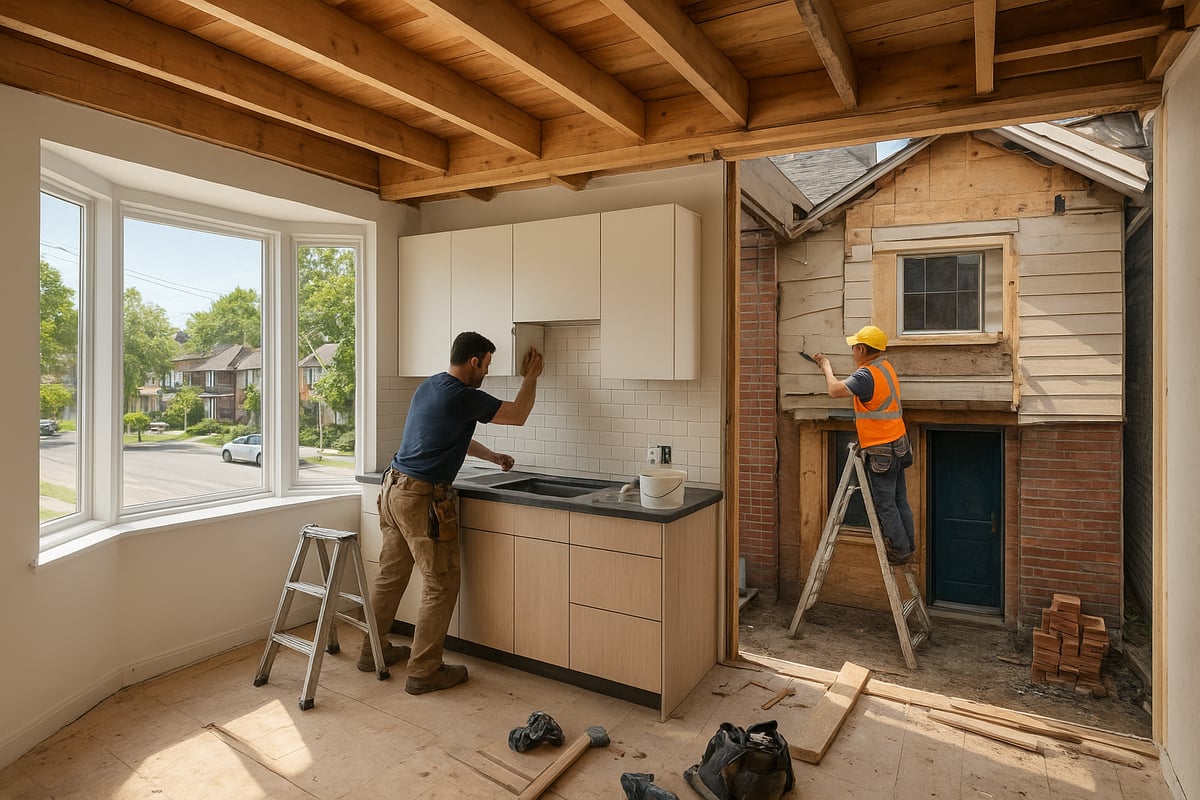
Thinking about the cost to renovate homes in toronto this year? The renovation landscape has shifted in 2025, with prices and homeowner expectations both on the rise. Understanding the latest market trends, cost drivers, and motivations is essential before committing to any project, whether you are considering a minor refresh or a complete overhaul.
Market Trends and Cost Drivers
The cost to renovate homes in toronto has climbed steadily in 2025 due to several market forces. Inflation continues to impact material prices, with lumber, drywall, and insulation all costing more than in previous years. Supply chain disruptions linger, affecting both availability and timelines for delivery. Skilled trades are in high demand, especially in East End neighbourhoods like Leslieville, Riverdale, and the Beaches. This means homeowners may face longer wait times and higher labour rates.
Location plays a pivotal role in renovation pricing. In Leslieville, contractor availability is often limited, pushing up costs, while Riverdale’s older housing stock can require more extensive updates. The Beaches, with its premium real estate values, sees higher investment in curb appeal and outdoor living spaces.
New building codes and green initiatives have also influenced the cost to renovate homes in toronto. The city’s push for energy efficiency means more projects now include heat pumps, double-glazed windows, and smart home systems. Permit fees have increased, and stricter requirements for legal basement suites or additions add complexity.
Open-concept layouts and smart upgrades remain popular, but these trends often require structural changes and advanced planning. According to the Residential Renovation Price Index, Q1 2025, average renovation costs in Toronto have risen by 7% year-over-year.
To illustrate, a standard kitchen remodel in East End Toronto that cost $65,000 in 2024 now averages closer to $70,000 in 2025. Bathrooms, basements, and exterior projects have seen similar percentage increases. For homeowners budgeting for the cost to renovate homes in toronto, these numbers highlight the importance of planning with current data and a healthy contingency fund.
Homeowner Motivations and Project Types
Why are more people asking about the cost to renovate homes in toronto this year? The motivations are as diverse as the city itself. Many homeowners want to increase living space with basement suites or additions, especially as multigenerational living becomes more common. Others modernize for personal enjoyment or to boost their home’s value before selling.
Project scopes range from simple cosmetic updates, like new paint or fixtures, to full gut renovations and exterior makeovers. In the East End, it’s common to see families investing in kitchen and bathroom upgrades for improved functionality and resale appeal. Rental potential is another driver, with legal basement suites in Riverdale and the Beaches offering strong returns.
Deciding whether to renovate or move is a frequent dilemma. If your lot is underbuilt, or you love your neighbourhood, renovating may offer better home improvement ROI than relocating. On the other hand, families who have outgrown their space or face major structural issues sometimes find moving is the more practical choice. Consulting with an experienced East End Toronto realtor can help clarify your options.
For a detailed, itemized cost breakdown and budget tips tailored to your home and neighbourhood, download the “Real Cost to Renovate in Toronto” guide. This resource can help you align your renovation goals with your financial realities, ensuring your project delivers the best possible value.
Average Cost Breakdown by Project Type
Understanding the cost to renovate homes in toronto means looking at each project type separately. Prices vary based on scope, location, and the ever-changing market for materials and skilled trades. Whether you are planning a light refresh or a full overhaul, here is what East End Toronto homeowners should budget for in 2025.

Kitchen Renovations
Kitchen projects are often the largest investment when considering the cost to renovate homes in toronto. In 2025, Toronto renovation prices reflect higher material and labour costs, especially for custom work. Location matters: Leslieville kitchens, for example, often require creative layouts in older homes, while the Beaches may involve premium finishes.
Average Kitchen Renovation Costs (2025):
| Project Scope | Cost Range |
|---|---|
| Cosmetic Refresh | $20,000 – $40,000 |
| Mid-Range | $40,000 – $80,000 |
| Upscale | $80,000+ |
Factors influencing price include cabinetry quality, appliance upgrades, layout changes, and required permits. In Riverdale, a mid-range kitchen remodel with semi-custom cabinets and quartz counters might cost $55,000, while a full gut in the Beaches often exceeds $90,000.
Toronto renovation prices 2025 are up about 8–12% over last year, largely due to higher lumber and skilled trades rates. Most homeowners see a 65–80% home improvement ROI for kitchen investments. For a deeper look at project costs and ROI by renovation type, check the Toronto Home Renovation Costs in 2025 guide.
Bathroom Renovations
Bathrooms are a close second in the cost to renovate homes in toronto. Powder rooms are the least expensive, while master ensuites with custom showers and luxury tile command the highest prices. Older East End homes may also need plumbing or electrical upgrades, especially in Riverdale and Leslieville.
Typical Bathroom Renovation Costs:
| Bathroom Type | Cost Range |
|---|---|
| Powder Room | $10,000 – $20,000 |
| Main Bath | $20,000 – $35,000 |
| Master Ensuite | $35,000 – $60,000 |
Key cost drivers are waterproofing, tile selection, fixtures, and potential accessibility upgrades. In Riverdale, a main bath update with mid-range finishes averages $28,000, while a Beaches master ensuite with heated floors and custom glass can top $60,000.
Updated bathrooms are a top selling feature, providing a strong home improvement ROI and boosting buyer appeal. To see how these numbers compare to your own plans, explore the downloadable guide for an itemized cost breakdown.
Basement Finishing and Suites
Basements offer major value in the cost to renovate homes in toronto, particularly for families seeking more space or rental income. Finishing a basement in East End Toronto ranges from basic rec rooms to legal secondary suites.
Basement Renovation Cost Ranges:
| Project Type | Cost Range |
|---|---|
| Basic Finish | $40,000 – $100,000 |
| Basement Apartment (Legal) | $80,000 – $150,000 |
Costs are shaped by insulation, flooring, bathroom addition, and code compliance. Legal suites require fire separation, egress windows, and permits, especially in Leslieville and the Beaches. A full conversion to a rental-ready suite can generate $2,000+ per month in income, improving both home value and cash flow.
Basement renovations also need a contingency for hidden issues like foundation cracks or knob-and-tube wiring. For tailored advice, consult the downloadable “Real Cost to Renovate in Toronto” guide.
Exterior and Structural Work
Curb appeal and energy efficiency drive many homeowners to invest in the exterior. The cost to renovate homes in toronto’s East End depends on project size and material choices.
Key Exterior Renovation Costs:
| Project | Cost Range |
|---|---|
| Siding Replacement | $20,000 – $50,000 |
| Roof Replacement | $10,000 – $25,000 |
| New Windows/Doors | $15,000 – $40,000 |
| Landscaping | $5,000 – $40,000 |
Leslieville’s older homes often need structural repairs, while the Beaches may focus on premium landscaping and decks. Modern windows can lower energy bills and boost resale value, offering good home improvement ROI.
A full exterior refresh, including new siding, windows, and landscaping, typically adds 8–12% to your property’s value. For a detailed value-add analysis, refer to the downloadable guide.
Permit Fees and Hidden Costs
Every major renovation in Toronto requires permits. Factoring these into the cost to renovate homes in toronto is crucial. Typical permit fees range from $2,000 to $8,000 depending on the scope.
Hidden costs are common, especially in East End neighbourhoods. Watch for:
- Asbestos or lead paint removal
- Knob-and-tube wiring replacement
- Foundation repairs and waterproofing
A contingency fund of 10–20% is essential. Budgeting for surprises protects you from mid-project shocks. If you want a checklist of common hidden costs, the downloadable guide includes sample budgets and expert tips.
DIY Renovations: Pros, Cons, and Real Costs
Taking the DIY approach can seem like a smart way to lower the cost to renovate homes in toronto, especially as material and labour prices continue to climb in 2025. Many East End homeowners are rolling up their sleeves to tackle cosmetic updates or minor repairs, hoping to stretch their budgets further. But understanding the real costs, risks, and rewards of DIY is crucial before picking up that sledgehammer.

The Upside of Doing It Yourself
DIY renovations put you in full control of your project and can save a substantial amount compared to hiring a contractor. Homeowners who are handy can cut down on labour costs, which often account for half of the total cost to renovate homes in toronto. Some of the most popular DIY projects include painting, installing backsplash tile, or updating cabinet hardware, all of which can transform a space with relatively little investment.
Not only do you get the satisfaction of a job well done, but you can also work at your own pace and select materials that fit your taste and budget. For smaller jobs, especially in areas like Leslieville or the Beaches where trades may be in high demand, DIY can help you avoid long contractor waitlists and scheduling headaches.
The Hidden Costs and Pitfalls
While the idea of saving money is appealing, the true cost to renovate homes in toronto using the DIY route often includes more than meets the eye. Tool rentals, disposal fees, and the price of fixing mistakes can add up quickly. Unforeseen issues like outdated wiring or uneven floors may require professional intervention, leading to budget overruns.
Many homeowners underestimate the time commitment, needing to take days off work or spend weekends on projects that professionals could finish much faster. For a deeper look at the hidden factors that can impact your renovation budget, see the Home Renovation Costs: 2025 Guide.
Legal Limits and Permit Realities
In Toronto, not every project can be tackled without permits or inspections. DIYers should be aware that electrical, plumbing, and structural changes almost always require permits and must meet strict building codes. Skipping these steps can jeopardize insurance coverage and cause major headaches if you ever sell your home.
Statistics show over 40% of Toronto homeowners attempted some form of DIY renovation in 2024, but failed inspections and code violations are common pitfalls. Understanding what you can and cannot do yourself is essential to keep the cost to renovate homes in toronto from spiraling out of control.
When DIY is the Right Move
DIY makes the most sense for cosmetic updates, minor carpentry, or small-scale projects where you have the skills and time to complete the work safely. A successful DIY bathroom refresh in Riverdale, for example, can save thousands and still yield a high home improvement ROI. On the other hand, a poorly executed job can decrease property value and lead to costly redos.
If you are considering DIY to manage the cost to renovate homes in toronto, start with honest self-assessment. Factor in the time, potential mistakes, and legal requirements. For a detailed, itemized breakdown of costs and practical tips, download “The Real Cost to Renovate in Toronto” guide and plan your project with confidence.
Hiring a Contractor: What to Expect and Budget For
Navigating the cost to renovate homes in toronto can be overwhelming, especially in 2025 as prices shift across the city. Hiring a contractor is one of the most important decisions you’ll make, whether you’re updating a kitchen in Leslieville or planning a full-gut renovation in the Beaches. Understanding what to expect, how to budget, and how to protect your investment is essential for every Toronto homeowner.

Finding and Vetting Contractors
Start by gathering referrals from neighbours, friends, or your East End Toronto realtor. Online reviews and trade associations, like the RenoMark program, can also help you find reputable professionals. The cost to renovate homes in toronto varies widely by contractor experience and demand, especially in high-activity neighbourhoods like Riverdale or the Beaches.
Always request a written contract that details scope, timelines, and payment terms. Confirm the contractor has WSIB coverage and valid liability insurance, which protects you from unexpected accidents or damages.
Watch for these red flags when interviewing contractors:
- Vague or verbal-only estimates
- Requests for large cash deposits
- Inability to provide references from recent local projects
Toronto’s renovation market is competitive, and costs are influenced by everything from skilled labour shortages to new permit requirements. For a broader perspective, the Guide to 2025 Home Renovation Costs offers a comparison of contractor rates across major North American cities, including Toronto. This resource can help you benchmark quotes and spot outliers before signing a contract.
Cost Structure and Payment Schedules
Understanding how contractors price their work is key to managing the cost to renovate homes in toronto. Most reputable contractors include a markup of 15–30% for project management, coordination, and overhead. This covers everything from site supervision to scheduling trades.
Payment schedules in Toronto typically follow these milestones:
- Initial deposit (10–15% of total project)
- Progress draws (25–40% at key stages like demolition, framing, finishes)
- Final holdback (10% until completion and inspection)
Here’s a sample table outlining an itemized quote for a full-gut renovation in East End Toronto:
| Item | Estimated Cost |
|---|---|
| Demolition & Prep | $25,000 |
| Framing & Structure | $35,000 |
| Electrical/Plumbing | $40,000 |
| Finishes | $50,000 |
| Project Management | $20,000 |
| Permit Fees | $10,000 |
| Total | $180,000 |
Always ensure your contract spells out payment terms and includes a 10–20% contingency for unforeseen issues.
Project Management and Timelines
Project management is a critical factor in the cost to renovate homes in toronto. A dedicated project manager helps keep timelines on track, coordinates trades, and manages communication between you and the crew. For kitchens or bathrooms, expect renovations to take four to eight weeks. Basements and full-home projects may run three to six months, depending on complexity and permit approvals.
Delays are common, often caused by:
- Permit backlogs at Toronto Building
- Material shortages (especially for custom orders)
- Change orders or design revisions
Stay proactive by setting regular site meetings and maintaining clear communication. If your project involves a legal basement suite or major structural changes, factor in extra time for inspections and code compliance. A well-managed renovation not only saves money but also helps protect your home improvement ROI.
Quality, Warranty, and Resale Value
Professional contractors in Toronto should provide workmanship guarantees, typically covering one to two years after completion. Post-renovation support is essential, especially for larger projects where small issues may surface after move-in.
A quality renovation, done by a vetted contractor, can boost your home’s appeal and value. For example, a recent East End home saw multiple offers and sold above asking after a contractor-led transformation, with buyers citing the updated kitchen and energy-efficient upgrades as major draws.
If you want a deeper breakdown of project costs, ROI, and budgeting tips for your specific neighbourhood, download my guide on “The Real Cost to Renovate in Toronto.” It’s packed with checklists and expert advice to help you plan your next move with confidence.
Renovate or Move? Making the Right Choice in Toronto’s Market
Deciding whether to renovate or move is one of the biggest choices facing Toronto homeowners. With the rising cost to renovate homes in toronto, careful budgeting is essential. If you are weighing your options in Leslieville, Riverdale, or the Beaches, understanding both the numbers and the lifestyle impacts will help you make the best decision for your family.
Financial Comparison: Renovating vs. Moving
Start by calculating the full cost to renovate homes in toronto, including permits, materials, labour, and a 10–20% contingency. For a typical East End home, expect to spend $40,000–$80,000 for a kitchen, $20,000–$60,000 for a bathroom, and $40,000–$100,000+ for a finished basement. Exterior upgrades and structural work can add another $30,000–$100,000, depending on scope.
Moving, on the other hand, brings its own set of costs. The average land transfer tax in Toronto can easily exceed $20,000. Realtor commissions usually range from 4–5% of the sale price, and moving expenses can add several thousand dollars. When comparing the cost to renovate homes in toronto with the total expense of selling and buying, many homeowners find renovation to be a more financially efficient option, especially if they love their current neighbourhood.
Emotional and Lifestyle Considerations
Numbers matter, but so do personal factors. School zones, commute times, and established community ties are all reasons families choose to stay put. For many, the cost to renovate homes in toronto is justified by the comfort of familiar streets and neighbours. Renovating allows you to customize your space without uprooting your daily routine.
However, moving can offer a fresh start if your current home no longer fits your life. If you are outgrowing your space or facing major structural issues that would require a full rebuild, relocation may be the better long-term investment. Consider how each option aligns with your family’s priorities, both now and in the years ahead.
Renovate or Move: Which Adds More Value?
The decision also comes down to home improvement ROI. Renovations that increase square footage or add legal suites can significantly boost property value, especially in high-demand areas like Riverdale and the Beaches. In neighbourhoods where land values are high and lots are underbuilt, the cost to renovate homes in toronto can deliver a strong return.
Moving may make more sense if your current property cannot be expanded or if the renovation budget would exceed the value added. Assess local Toronto renovation prices 2025, and talk to an East End Toronto realtor to compare resale potential in your neighbourhood. Sometimes, the best investment is staying and improving what you have.
Case Study: Riverdale Family’s Choice
Consider a recent example: a family in Riverdale needed more space as their children grew older. They compared the cost to renovate homes in toronto, including a two-storey addition and new kitchen, to the price of moving to a larger home in the same area. After factoring in land transfer tax, realtor fees, and the current hot market, they chose to renovate.
The result was a customized home that met their needs, increased their property’s value, and kept them close to their children’s school and friends. If you are facing a similar crossroads, download our “Real Cost to Renovate in Toronto” guide for detailed cost breakdowns, checklists, and expert advice on maximizing your renovation investment.
Now that you have a clearer picture of what it really takes to renovate a home in Toronto—whether you’re rolling up your sleeves for a DIY project or considering a contractor’s expertise—you might be wondering what’s next for your own space. Every home and homeowner is unique, and sometimes the best way to move forward is to talk through your options with someone who truly understands the East End market and its renovation realities. If you’re ready to discuss neighbourhood trends, floorplans, or the right path for your family, let’s connect and explore your next steps together.
Let’s Talk Neighbourhoods, Floorplans, and What Comes Next